Across Georgia, Black women continue to make their mark in journalism but representation across the field still isn’t where it should be.
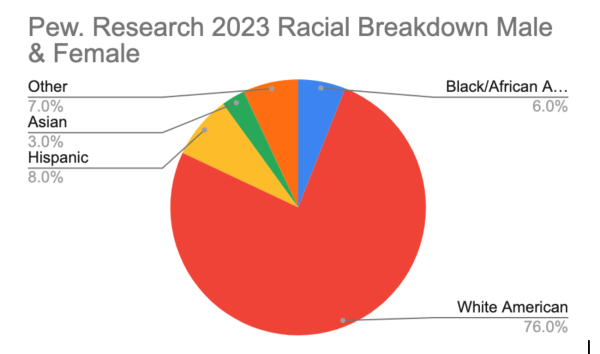
According to Pew Research, Black journalists make up only about six percent of the field. While there is limited research offering a full breakdown of gender within that six percent, it can be inferred that the number of Black women is even smaller. The Women’s Media Center’s 2018 “Status of Women in the U.S. Media” report provides one of the few available figures, noting that just 2.78% of journalists were Black women.
Breaking Through Barriers
At 13WMAZ in Macon, veteran producer and content coordinator Nicole Bailey-Covin has spent decades helping shape local coverage. She remembers when seeing a Black woman in the newsroom, especially in leadership, was rare.
“When I started, there were not a lot of Black women in the broadcast market and in print, it was even tougher,” Bailey-Covin said. “The gatekeepers were not always welcoming, even to women in general.”
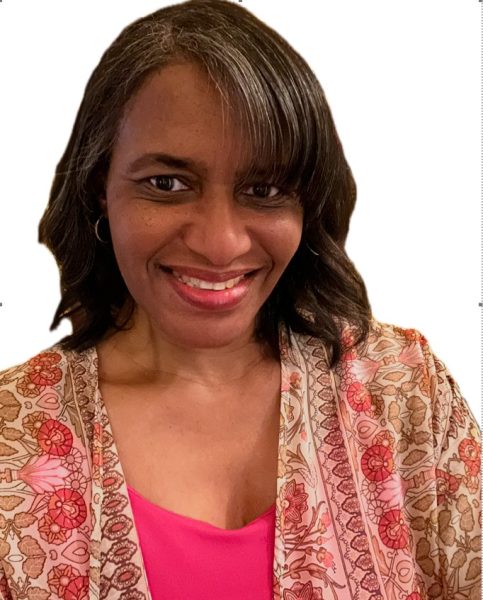
Bailey-Covin said that while opportunities have improved, barriers still exist especially in print and radio.
“For African Americans in print, a lot of them found their greatest success working for other Black publications and magazines, but there were many that did make their way into the mainstream newspapers and did a fabulous job.”
There is a large margin of discrepancy across mediums in how women of color are represented. As the Women’s Media Center reports, most studies categorize women of color together rather than reporting separate statistics for Black women, making exact percentages difficult to track. Still, with Black journalists overall accounting for just six percent of the industry, according to the Pew Research Center, it is clear that Black women remain significantly underrepresented.
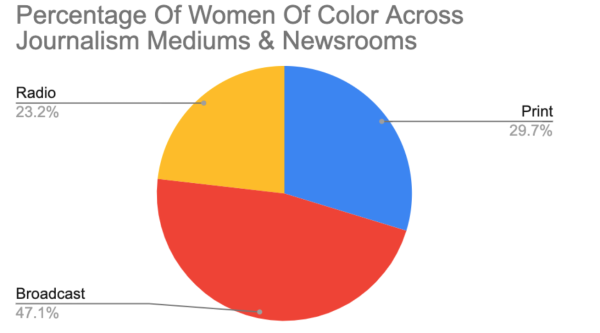
Bailey-Covin said much of the progress in broadcast came from deliberate efforts to make the newsroom reflect their communities.
“There was an effort in the ‘90s to make newsrooms reflect their communities,” Bailey-Covin said. “That goal still exists today, but the reasons we do not see more representation in mediums of print, radio, and broadcast depend on the market, the region, or management.”
She says this also varies by where you live.
“It is really market driven. If you live in Atlanta, if you live in Macon, if you live in Albany, Georgia, where the population of African Americans to white Americans is pretty close, you are going to continue to see representation for the community,” Bailey-Covin said.
Building Visibility and Respect
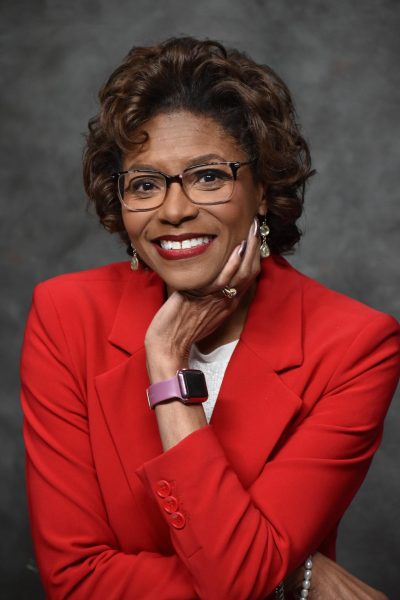
In Albany, Karla Heath-Sands, a veteran anchor and reporter for WALB News 10, has seen similar challenges over her more than 30-year career.
“When I started, there were not many of us,” Sands said. “You did not see a lot of Black women behind the desk or out in the field.”
Sands says she is proud to see the next generation of Black journalists continuing to move the industry forward and that she has seen this trend continue to grow in her own newsroom.
“Visibility isn’t enough representation must also come with respect. You can be visible but not valued,” Sands said.
The Next Generation
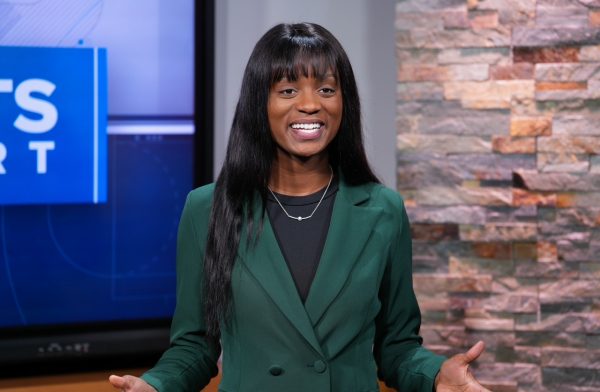
At 13WMAZ, Cecily Stoute, a sports reporter, is proof of this legacy moving forward.
“The sports media community is already small. Add women, and it’s even smaller. Add Black women and it’s tiny,” Stoute said. “But that’s what makes it special.”
Stoute said one moment recently reminded her just how much Black women journalist representation matters.
“A woman came up to me at a football game and said, ‘I’m so excited that you do what you do because back in the day, I wanted to be you, but we didn’t have that opportunity,’” she said. “Moments like that remind me why I do this.”
For Stoute, representation helps bridge the gap between local stations and the communities they cover.
“If they see someone that looks like them on TV, it gives the station credibility,” she said. “It makes people feel seen.”
Why This Representation Across Different Mediums Matters
Sands said representation of Black women journalists takes more than just being in certain rooms. It is deeper, it is about trust, leadership and most of all inclusion.
According to a Forbes article “We Need More Black Female Representation in Journalism- Here’s Why” Erin Haines, a journalist for The 19th states “We deserve to be in any room that we walk into and we deserve to not be questioned about how we got there.”
Black women’s inclusion in newsrooms ensures stories are told through a broader lens and that communities are covered with not just accuracy but understanding which in turns community trust and relationships.
“Representation matters. People need to see themselves reflected in the stories that we tell,” Haines said in the Forbes piece.
Representation That Lasts
Across generations, Black women journalists have faced many barriers. But they have also built space for themselves and those entering the industry after them. Bailey-Covin, Heath-Sands, and Stoute all shared similar sentiments regarding this.
“Lean on the people who inspire you,” Stoute said. “It’s harder to get in the door, but not impossible. We’re moving in the right direction, there’s more space now, and there’s room for more of us.”
Sands added, “When the doors open hold one for somebody else.”
Bailey-Covin shared a similar message.
“Don’t give up,” she said. “If this is what you want to do, keep pushing forward and have a stick with it mindset.”