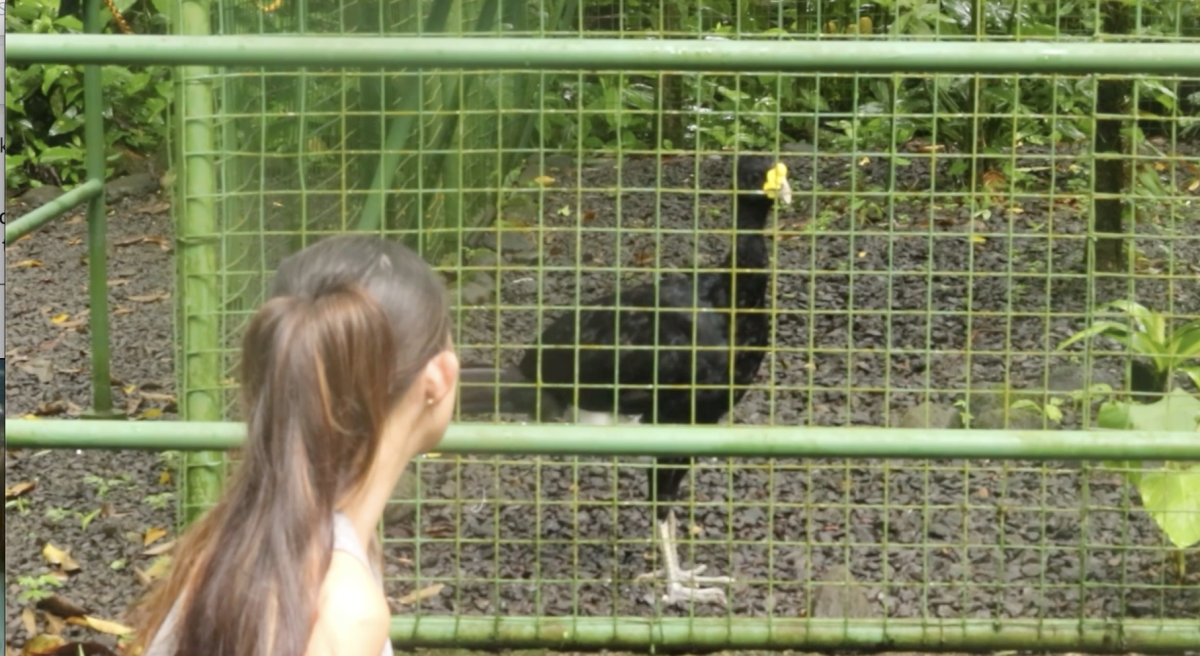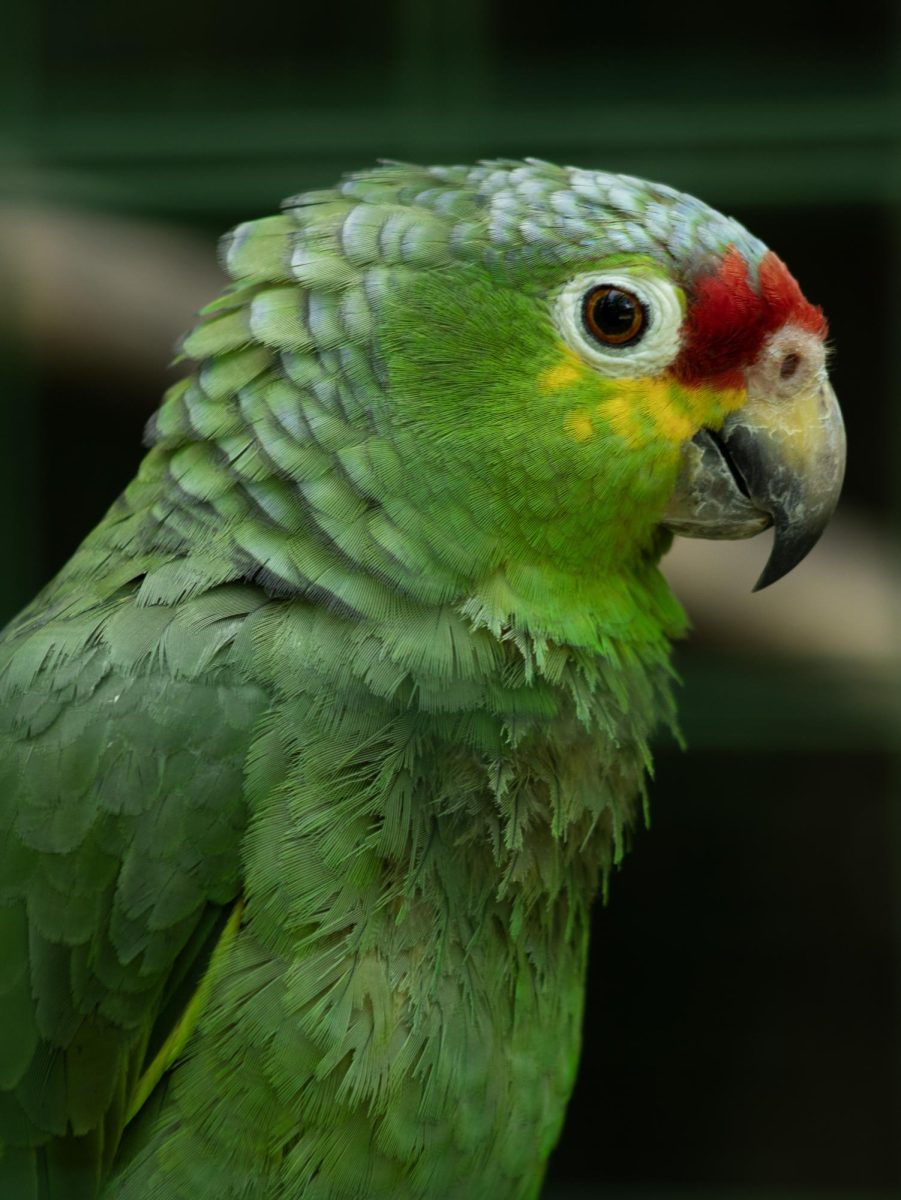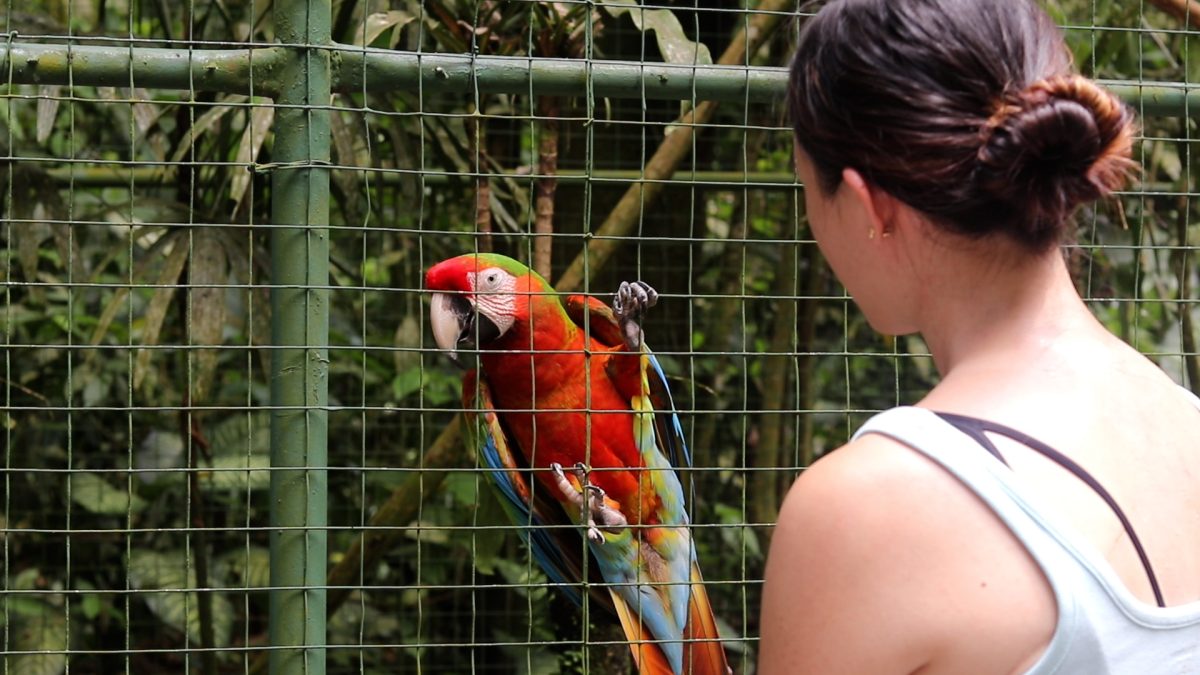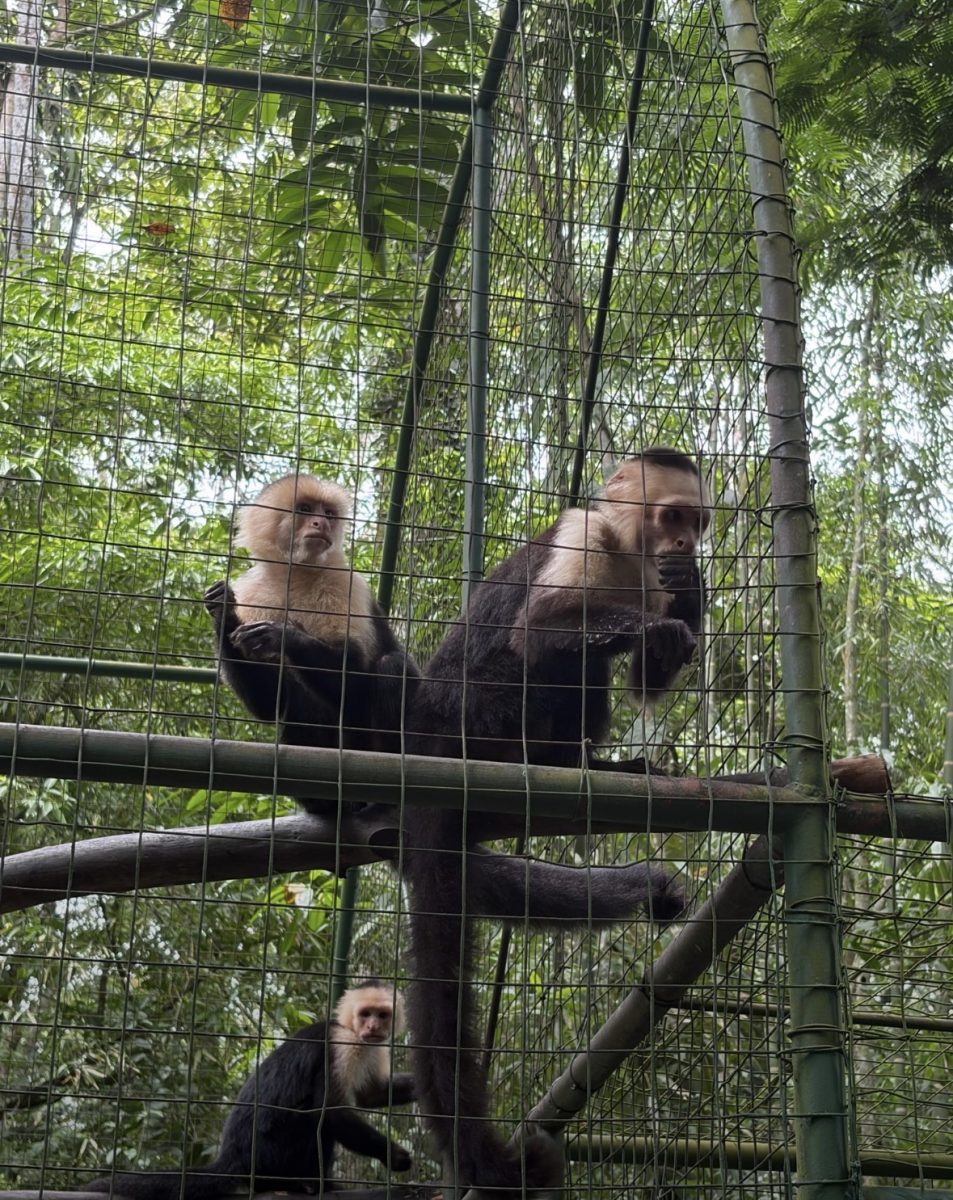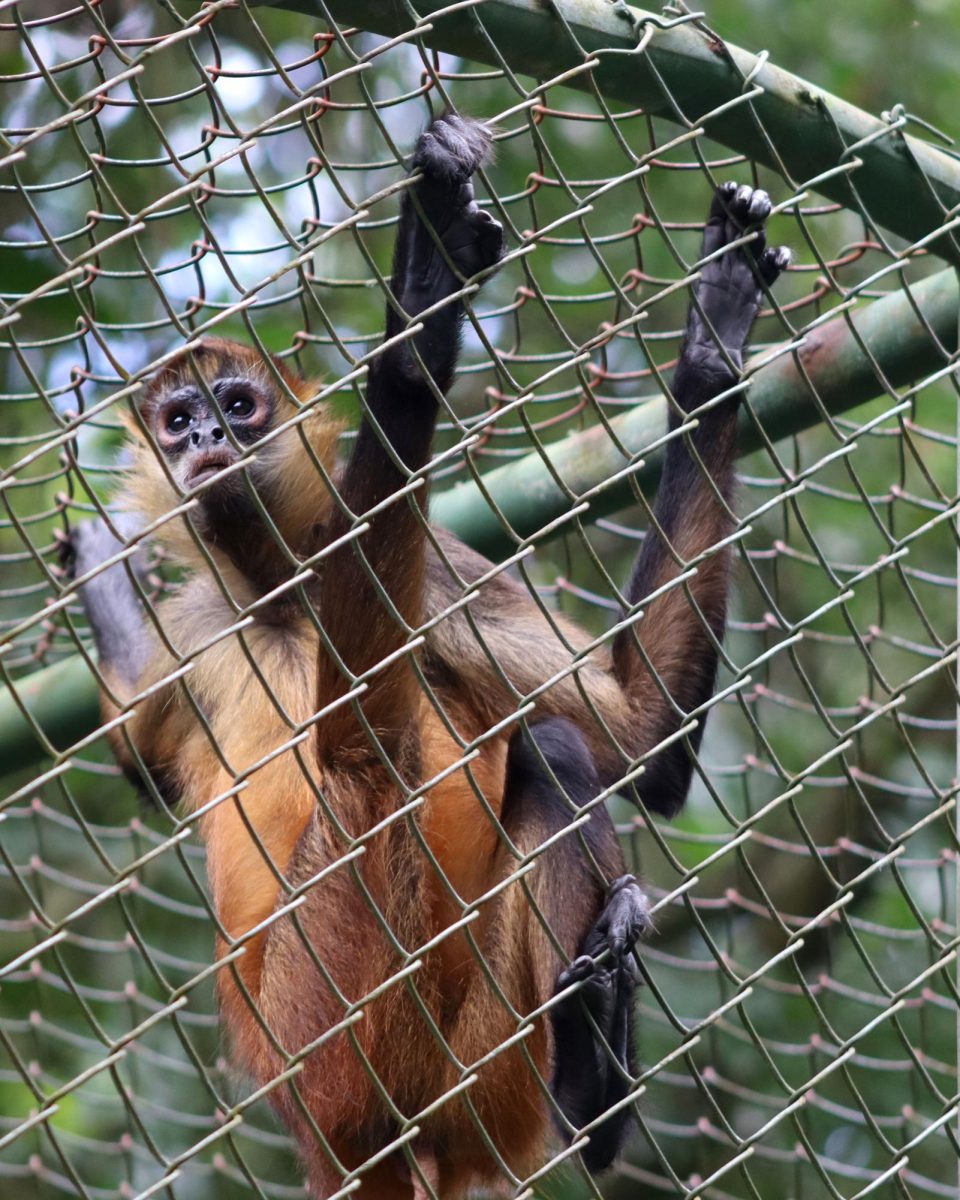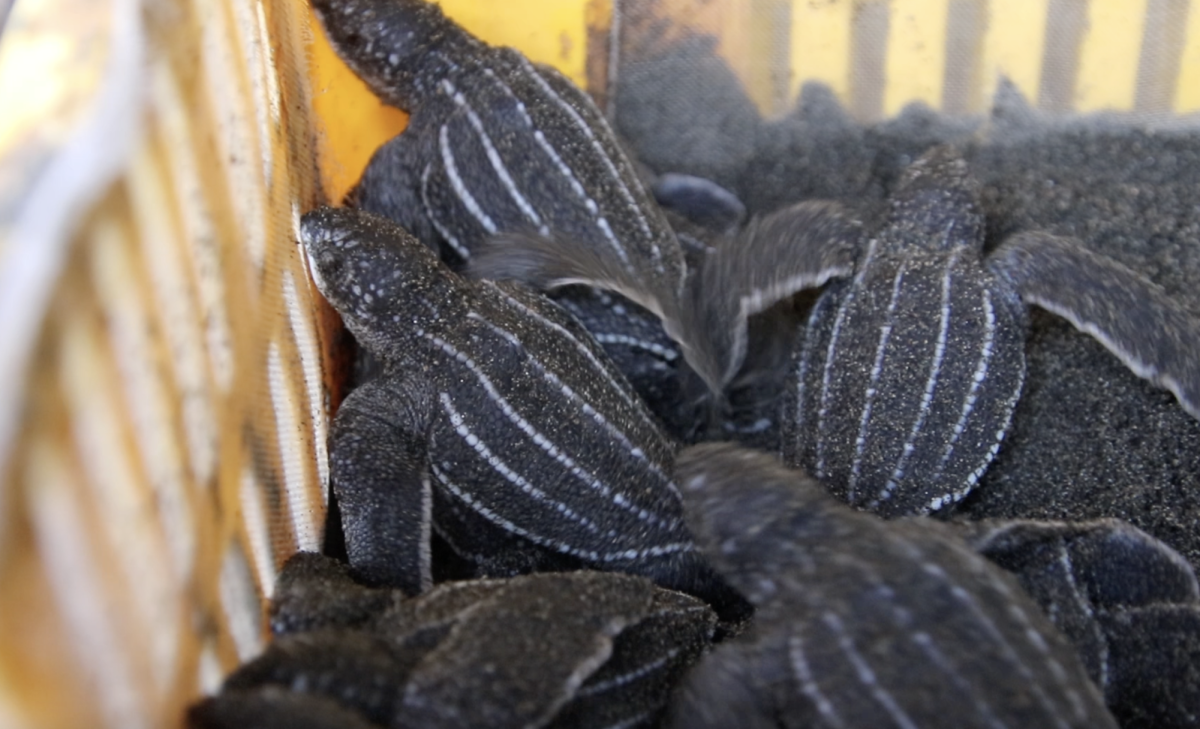

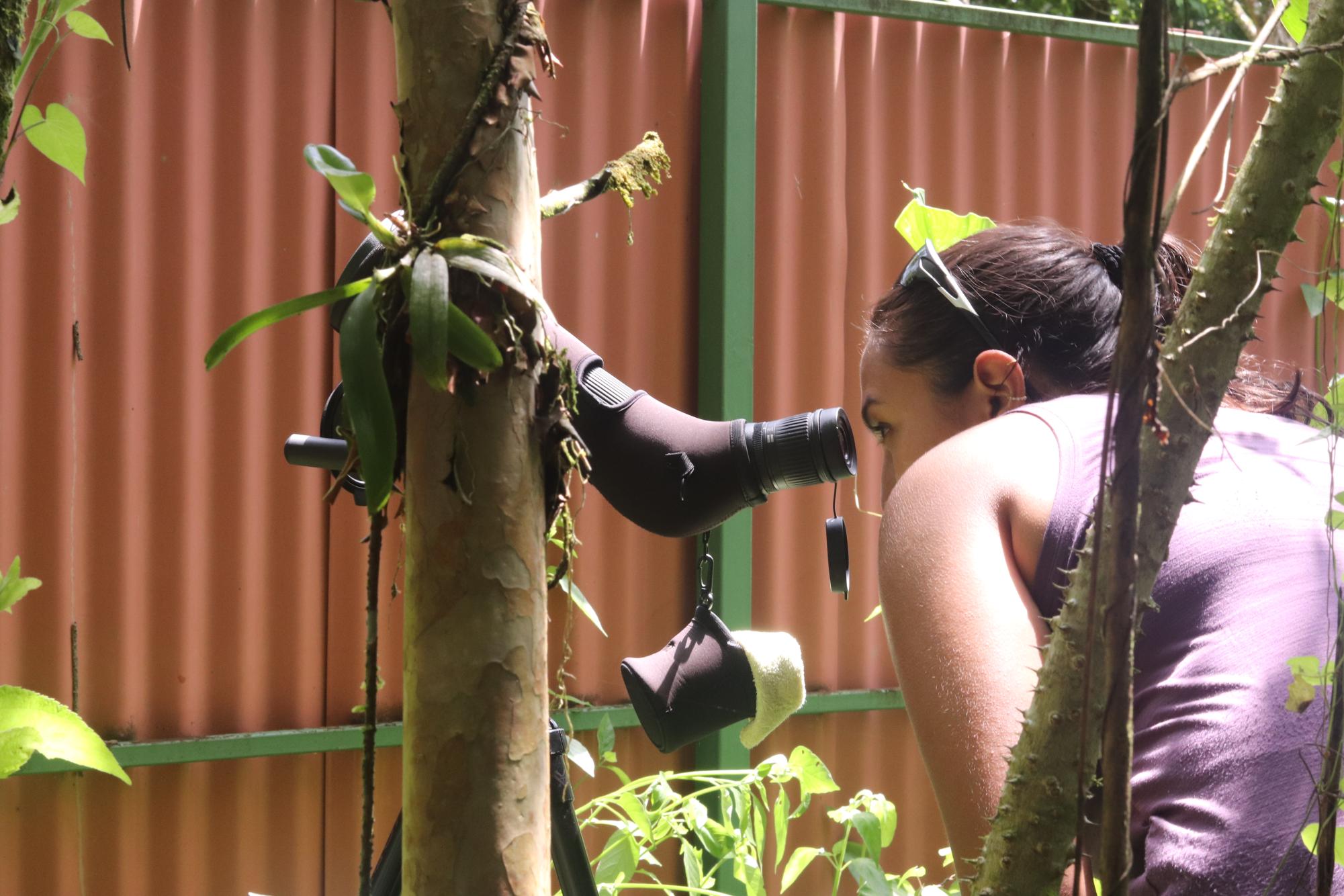
Many tourists hope to leave Costa Rica with close-up photos of sloths, monkeys or toucans. Others expect to feed wildlife or interact with animals after seeing similar experiences shared across social media.
But those expectations can sometimes clash with Costa Rica’s approach to protecting wildlife and preserving natural ecosystems.
Ethical tourism is a phrase that shapes conversations among Costa Rica’s conservationists, tour guides and tourism students. For many American visitors, however, it’s a concept they don’t fully encounter until they arrive.
Costa Rica has built much of its economy around protecting its forests, wildlife and ecosystems through ecotourism, creating jobs, supporting local businesses and preserving the natural areas that attract millions of visitors each year. The country’s conservation efforts are also reflected in its wildlife laws. In 2012, the country banned the capture of native wildlife for the pet trade and outlawed sport hunting. Additional protections adopted in 2017 strengthened penalties for wildlife trafficking and animal cruelty, reinforcing the country’s efforts to keep wild animals in the wild rather than becoming tourist attractions or household pets.
“Ten years ago, there were certain excursions that were open to the public, whether that was climbing the volcano or interacting with the animals or primates in very close proximity. But now, with the new laws and regulations, there’s a more definitive line as to what we can and cannot do.” Mercer University student Paarthivi Joshi said. “That’s not only good for us as humans, to avoid getting hurt or creating dependence, but also for the animals, so that they are protected and we aren’t introducing new things to them, whether that is in regard to their behavior or their overall well-being.”
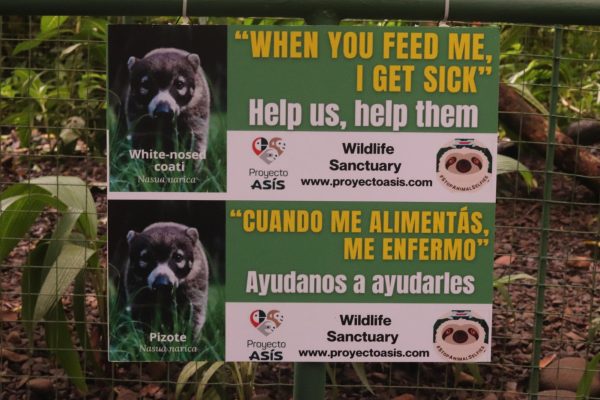
That line between what tourists can and cannot do is where many begin to realize how seemingly harmless tourist activities can have unintended consequences.
“Tourism is the economy of the country,” said Carlos Barrantes, who is an environmental engineer and tour guide at wildlife sanctuary and environmental education center Proyecto Asis.
Tourism is centered around the country’s high biodiversity in comparison to the rest of the world.
“People don’t come to see construction. People come to see the forest,” Barrentes said.
But the same industry that helps protect Costa Rica’s natural beauty also has the potential to threaten it.
That relationship between tourism and conservation creates a delicate balance. The country’s wildlife and ecosystems attract visitors, but an increase in visitors also places those same environments under greater pressure. The challenge is ensuring that tourism continues to benefit Costa Rica without damaging the very resources that sustain it.
“At what point do you have to basically put a cap on how many tourists can come into the country? Because you can do sustainability to a point.” Assistant professor of psychology at Mercer University Dr. Anastasia Kerr-German said. “It’s a part of the local economy, so how do you strike a balance?”
For the people who live in Costa Rica, the answer begins with ethical and sustainable tourism.
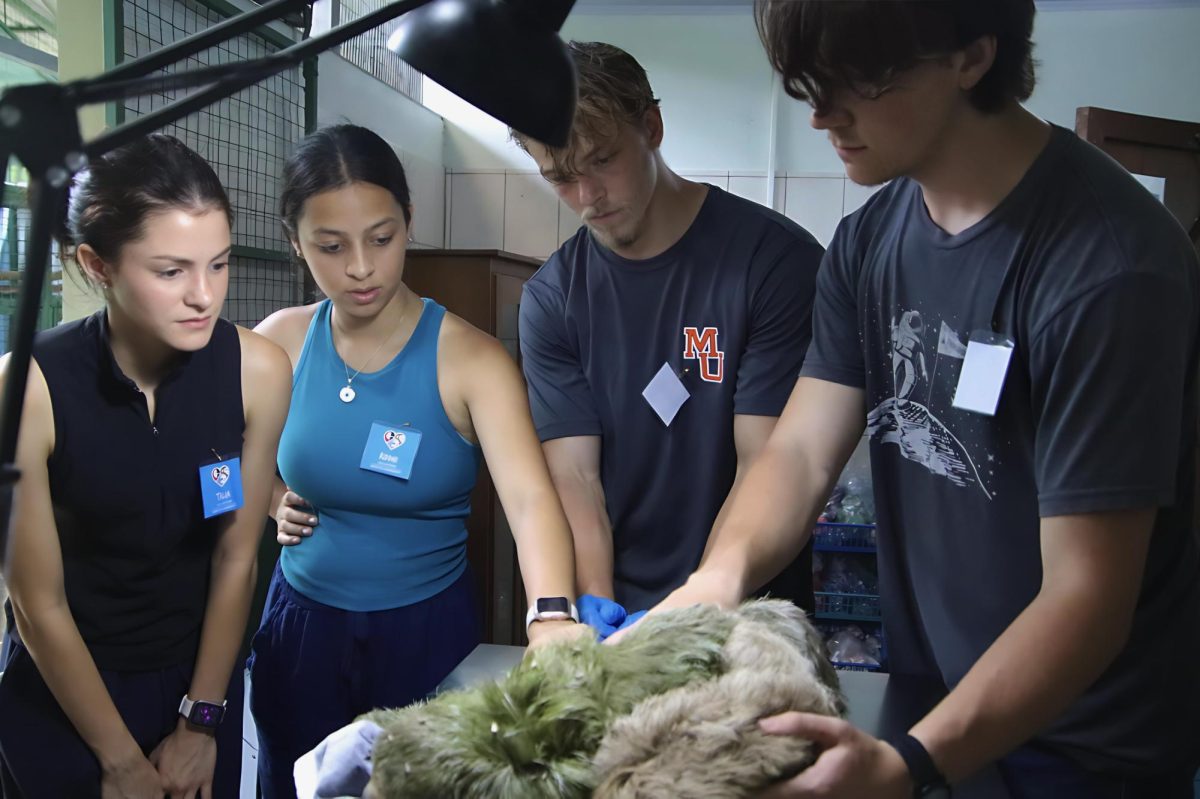
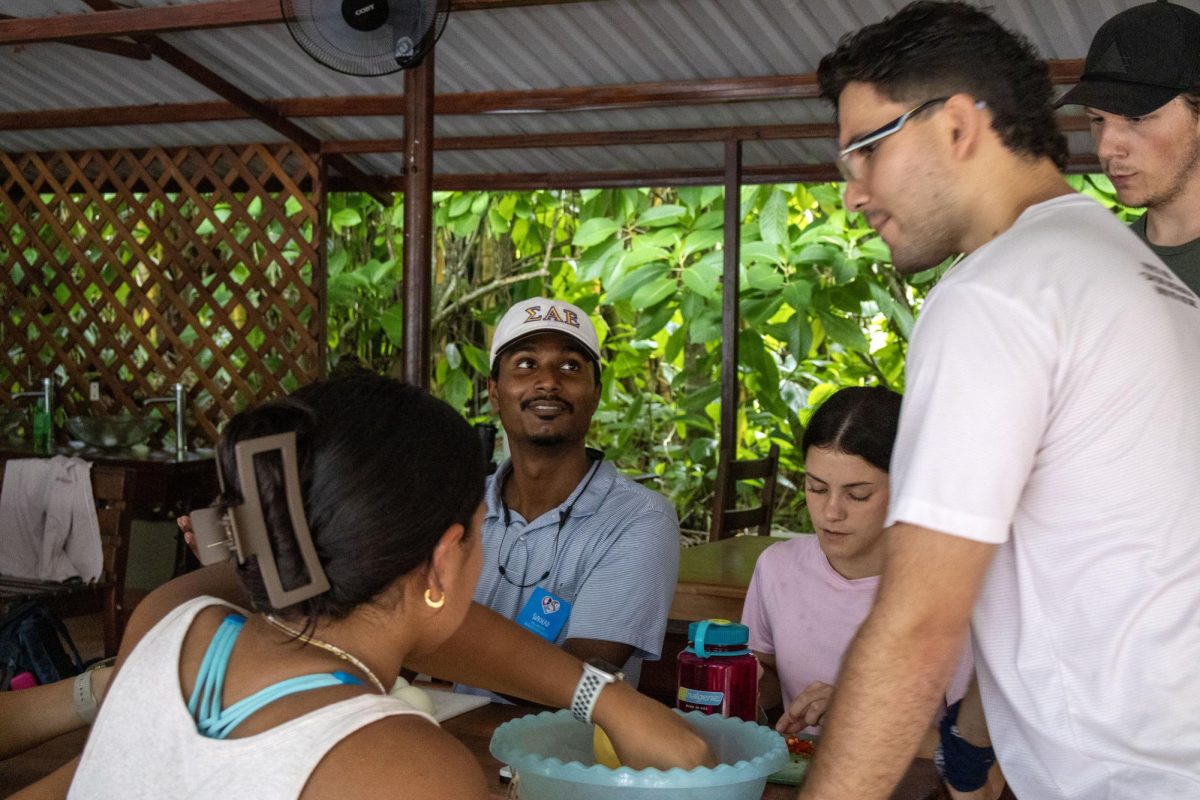
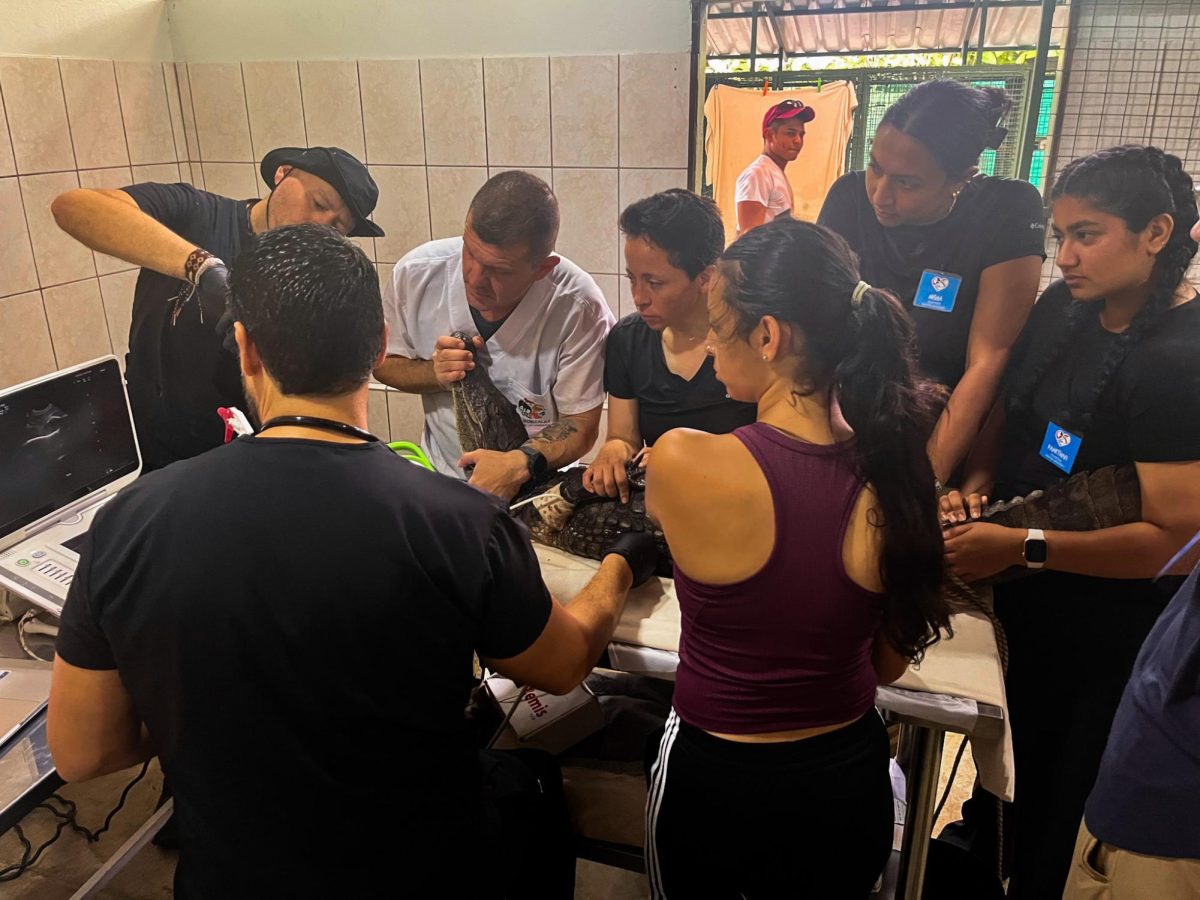
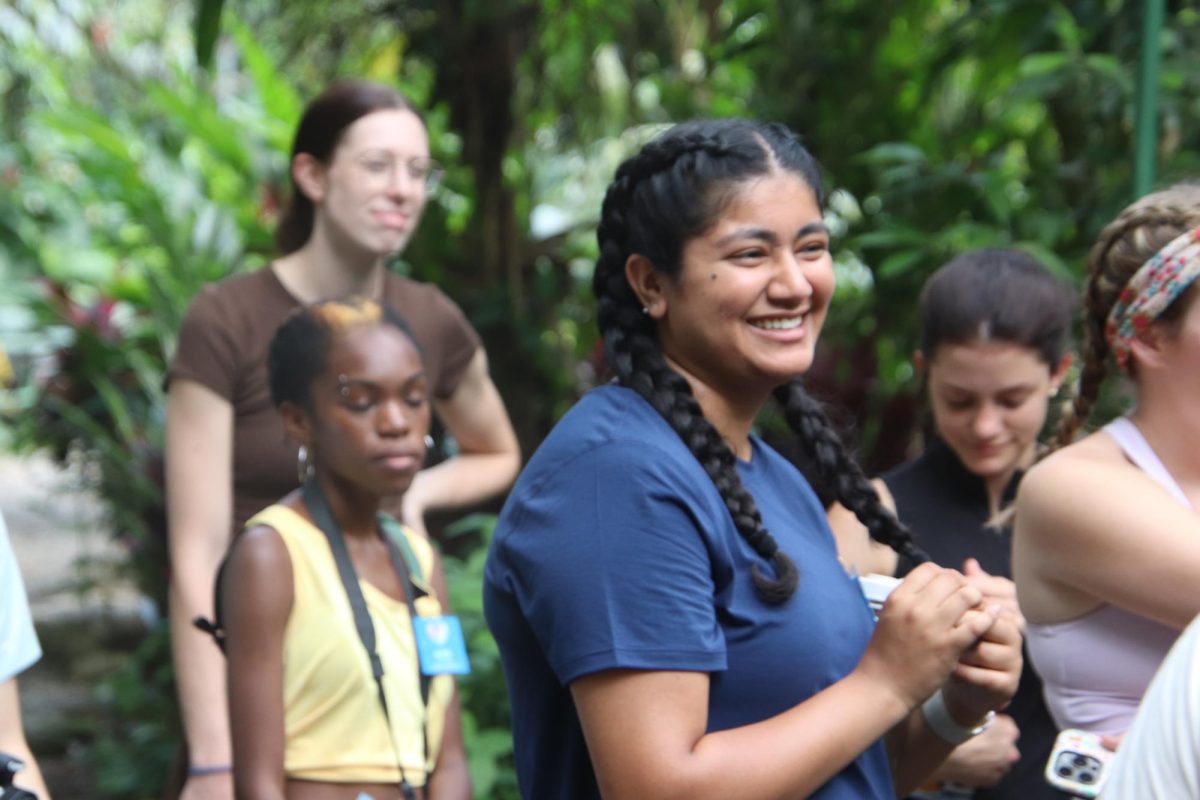
For many Americans and international tourists, however, ethical tourism practices are rarely part of the conversation before they travel. That difference in perspective was part of a presentation at Proyecto Asis, where Mercer University students and faculty learned how tourist behavior affects wildlife conservation and environmental practices around the world.
“To see the United States listed as the number one transgressor on most of the lists that were shared, and that wasn’t even their focus. But all of us quietly were sitting in the room going, ‘Yeah, but we see the U.S. is listed as first on bad practices for animal welfare, on ethical tourism, on environmental impact,’ and we’re just like, ‘wow we have a lot to learn,'” Kerr-German said.
Visitor choices influence whether tourism continues generating resources that can be reinvested into protecting the country’s forests and wildlife. Taking time to research excursions before booking them, stopping the use of animal selfies, not touching the wildlife you may encounter, shopping at locally owned businesses, learning basics of the native language, disposing of trash properly and prioritizing the care and wellness of the country you are a guest in rather than flashy and artificially produced tourist experiences all make an impact.
“Sustainable tourism is a way of traveling that respects nature, the local community, and the children,” Escuela Tecnica Agricola e Industrial student Tamara Zúñiga said. “It’s a way to create a positive impact that reduces the environmental damage.”
For local communities, like San Carlos, those choices carry significance beyond the preservation of natural resources.
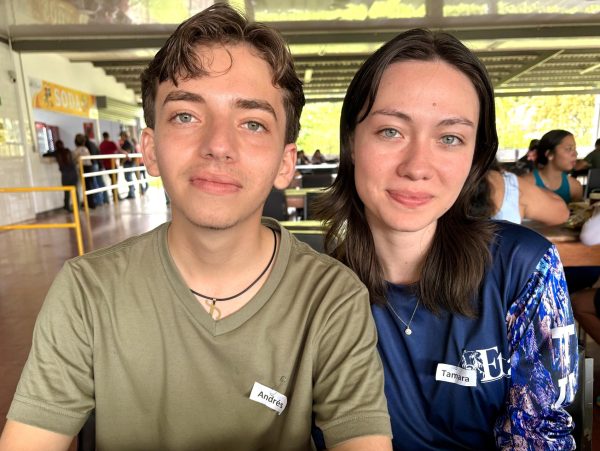
“When tourists choose sustainable options, more money stays in the local community,” Zúñiga said. “That helps families improve their quality of life.”
Ethical tourism seeks to close that gap by helping visitors understand how seemingly small choices can either strengthen or weaken the places they came to experience.
“Tourism in Costa Rica is very important to generate money, when people choose sustainable tourism, it’s possible for the government to invest more money in protecting forests and protecting wildlife.” Escuela Tecnica Agricola e Industrial student Andres Bolaños said.
Together, their perspectives highlight a reality many travelers may overlook. Choosing where to stay, which tours to book and how to interact with wildlife affects far more than a vacation itinerary. Those decisions influence local businesses, conservation efforts and the long-term sustainability of communities that depend on tourism.
“It felt like more of an abstract concept than something that directly affected me,” Mercer University student Kaylee Mixon, said of these ideas.
After spending time with conservation professionals and visiting Proyecto Asis, her perspective changed.
“Being in an environment where you can see how animals are so directly affected by human presence definitely sheds a huge light on something that I intentionally left in the dark,” Mixon said. “Ethical tourism occurs when you come to see the place for what it is, not get the most you can out of it at the place’s expense. I will be a happier tourist and make a happier place if I can go into an environment and say, ‘I would like to see these things, and I’m going to be completely happy if I don’t.'”
According to Barrantes, those expectations of seeing specific things are one of the greatest challenges facing ethical tourism today.
“The problem is social media,” he said. “People see a picture on the internet. They see a toucan on the shoulder, and they come with that idea.”
Education, he says, is one of the main ways they spread awareness on this subject. That education extends beyond avoiding animal selfies or resisting the urge to feed wildlife.
“As a tour guide, we have all the responsibility to educate and teach people about it,” Barrantes said. “People say, ‘Just to feed the hummingbirds,’ No, you’re feeding an animal. It’s supposed to have an important mission in the world.”
As animals become accustomed to humans, natural behaviors begin to disappear, creating consequences that ripple throughout the ecosystem.
“We are making the animals change their behaviors a lot,” Barrantes said. “The monkeys change their behavior totally. Now they see tourists and they say, food. They jump on your backpack, and they unzip it, and take food, and that’s not natural. We are breaking the ecosystem in that way.”
Barrentes believes both tourists and locals can work together for the benefit of Costa Rica.
“I’m not that person that says tourism is really bad,” he said. “I think development is going to happen anywhere, not only with tourism, with everything. But we can do it in a good way.”
So what can people do to make a positive impact? The main answer is willingness. A willingness to learn, educate, and advocate. Through social media campaigns, positive international interactions, and a conscious effort towards spreading ethical and sustainable tourism practices everyone can contribute to making a difference in preserving the natural resources of the world.
“I’m still learning. None of my answers are perfect, and they’re still evolving, and I think that’s okay. You can always pivot and change your habits. Be okay with not being perfect, but also be committed to being better,” Kerr-German said.