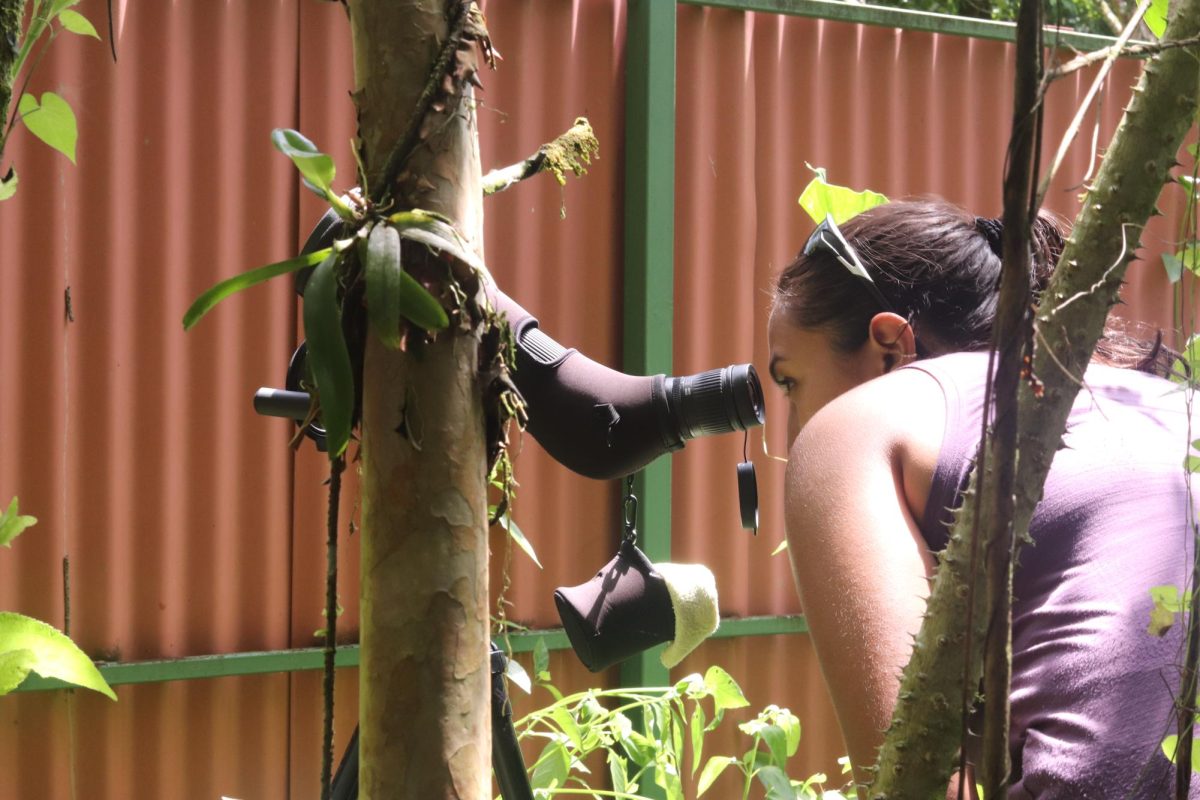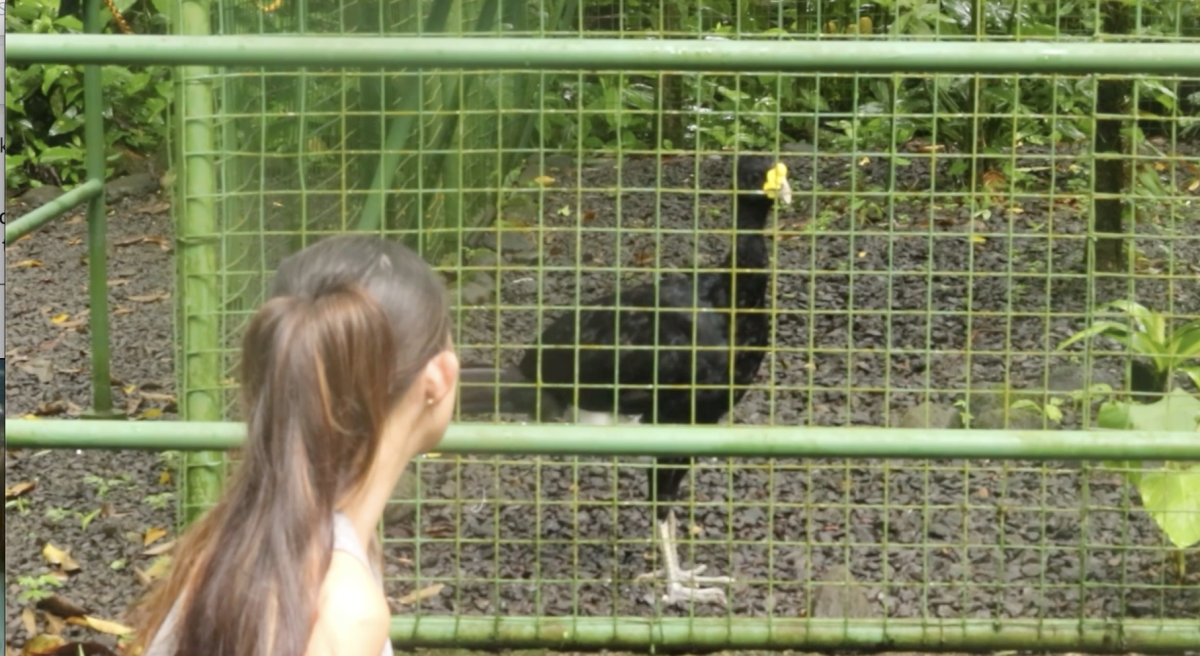

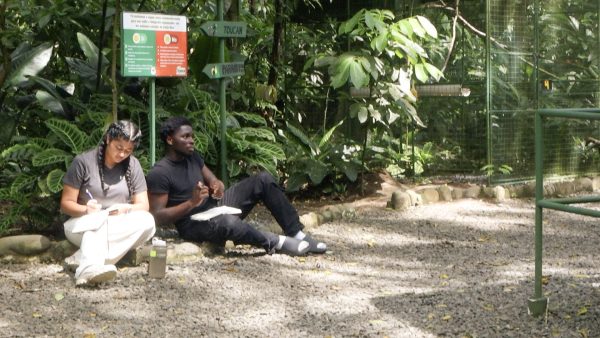
Kester Kwazema and Paarthivi Joshi sit outside the home of the great curassow called Charlie and make notes every minute about how he is behaving.
The currasow — tropical birds the size of turkeys — are native to Costa Rica and are known to form monogamous relationships and live in small groups. They tend to run and forage and can fly short distances. However, Charlie lives alone in an enclosure at Proyecto Asis because he was being illegally raised on a farm with chickens until a neighbor alerted police.
“As of right now the great curassow still has very much chicken-like behaviors, like it was imprinted on when it was young,” said Joshi, who is a neuroscience major. “It has recently started like jumping and climbing onto the different branches and learning to somewhat fly to an extent. It didn’t do that in the past.”
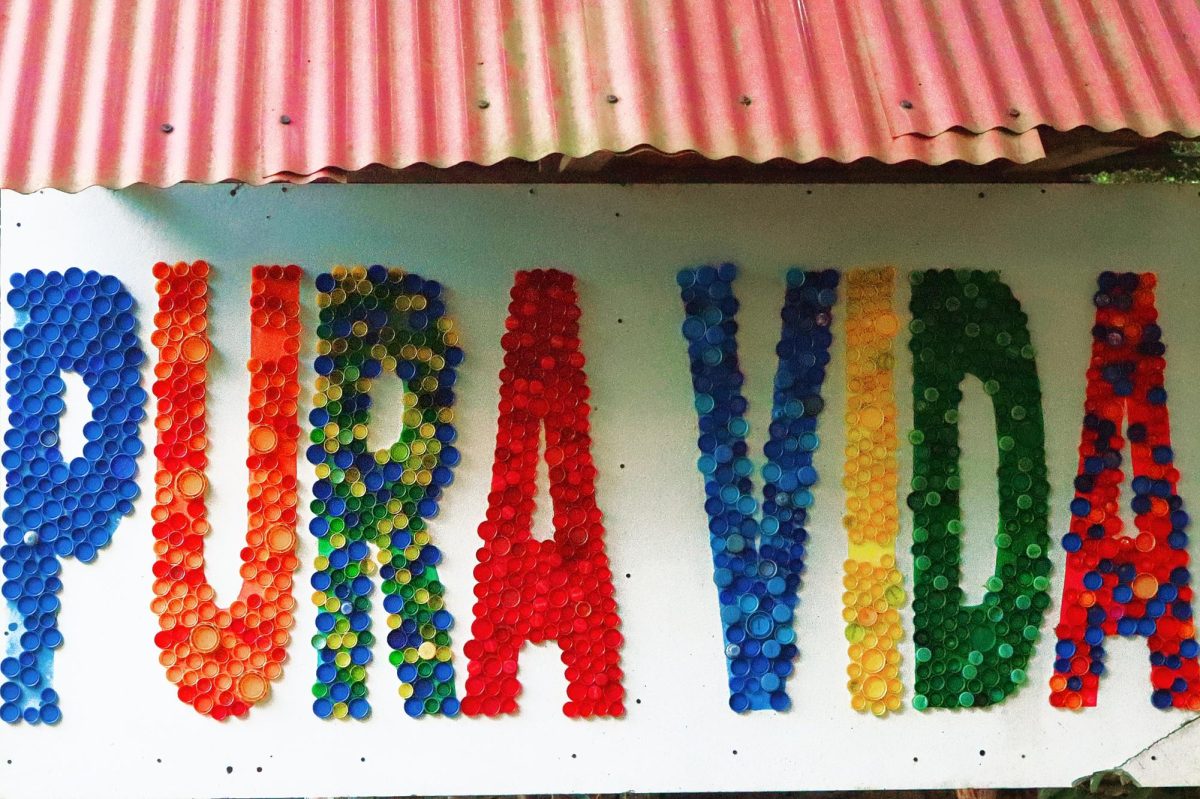
Proyecto Asis promotes wildlife rescue and rehabilitation in the La Fortuna rainforest area of Costa Rica. Animals like two- and three-toed sloths, caimans, turtles and many species of birds move in and out of the sanctuary, but some animals — many who had been abused by humans or injured in the wild — live at the facility full time.
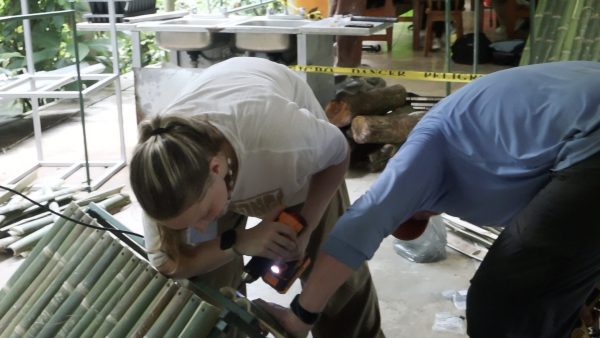
Kwazema and Joshi’s observations are adding to information that students will share with Proyecto Asis as they propose and build enrichment opportunities for the mammals and birds who reside at the wildlife rescue center.
“Not only are (the students) having to provide enrichment and help with the stress that some of these animals are under from being here in rehabilitation, but they’re also having to apply what they know about trauma-informed care through psychology and their neuroscience classes to do that in a way that’s sensitive to what each individual animal has been through,” said Dr. Anastasia Kerr-German, who is leading Mercer University’s work at Proyecto.
At Mercer, Kerr-German teaches a course on the biological basis of behavior, which combines concepts of adaptation as a means of survival, nature vs. nurture and neuroscience.
“When we’re comparing most of the time, it’s between humans and some species of animals, but occasionally you’re comparing across species of animals,” she said.
This inaugural Mercer On Mission trip to Costa Rica flowed from that class.
“We sort of came up with this idea that wouldn’t it be great to do this in the field, where students get to apply what they know and build interventions for these animals, similar to how we do with kids who have neurodevelopmental concerns,” Kerr-German said.
For more than two weeks in June, the group of 15 neuroscience and psychology students — many of whom want to be doctors — worked at Proyecto redesigning and rebuilding enclosures and creating enrichment materials.
“The students are really doing a lot in two weeks,” Kerr-German said. “Some groups are completely redesigning and rebuilding from the bottom up enclosures; other students are building new novel sort of nutritional plans for the animals that require more foraging.”
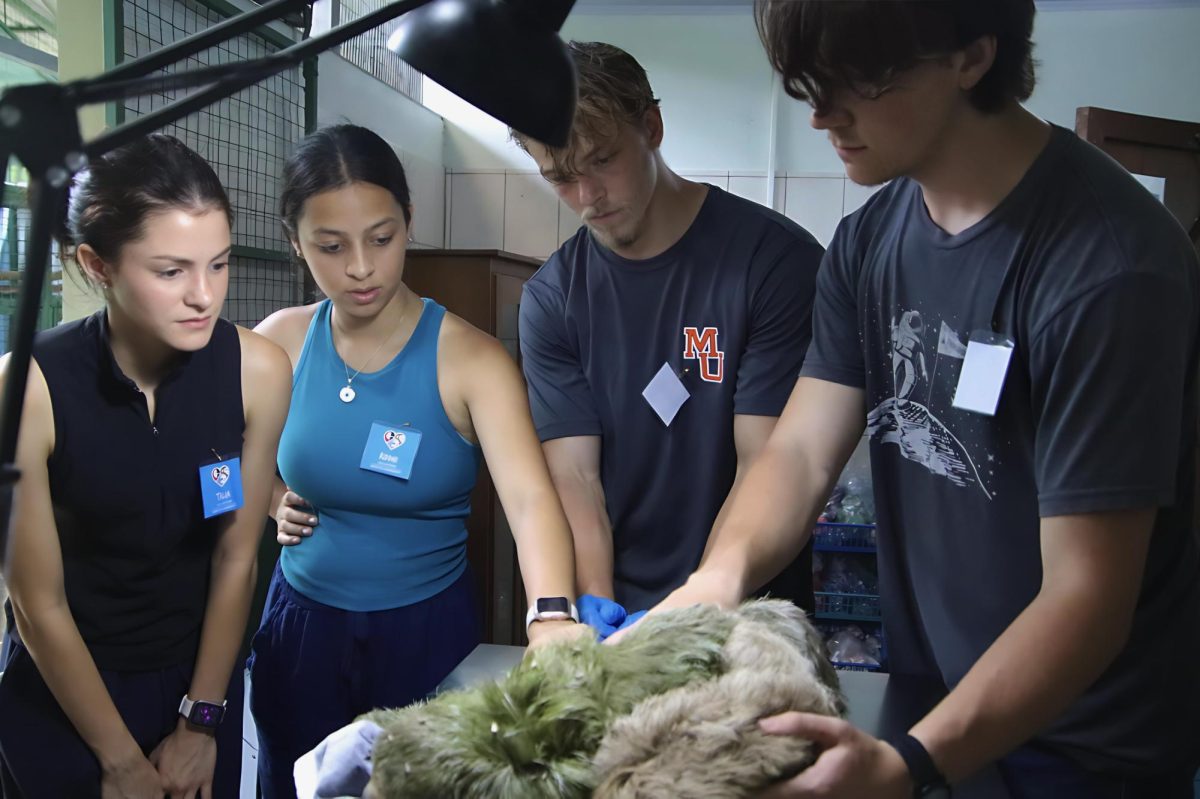
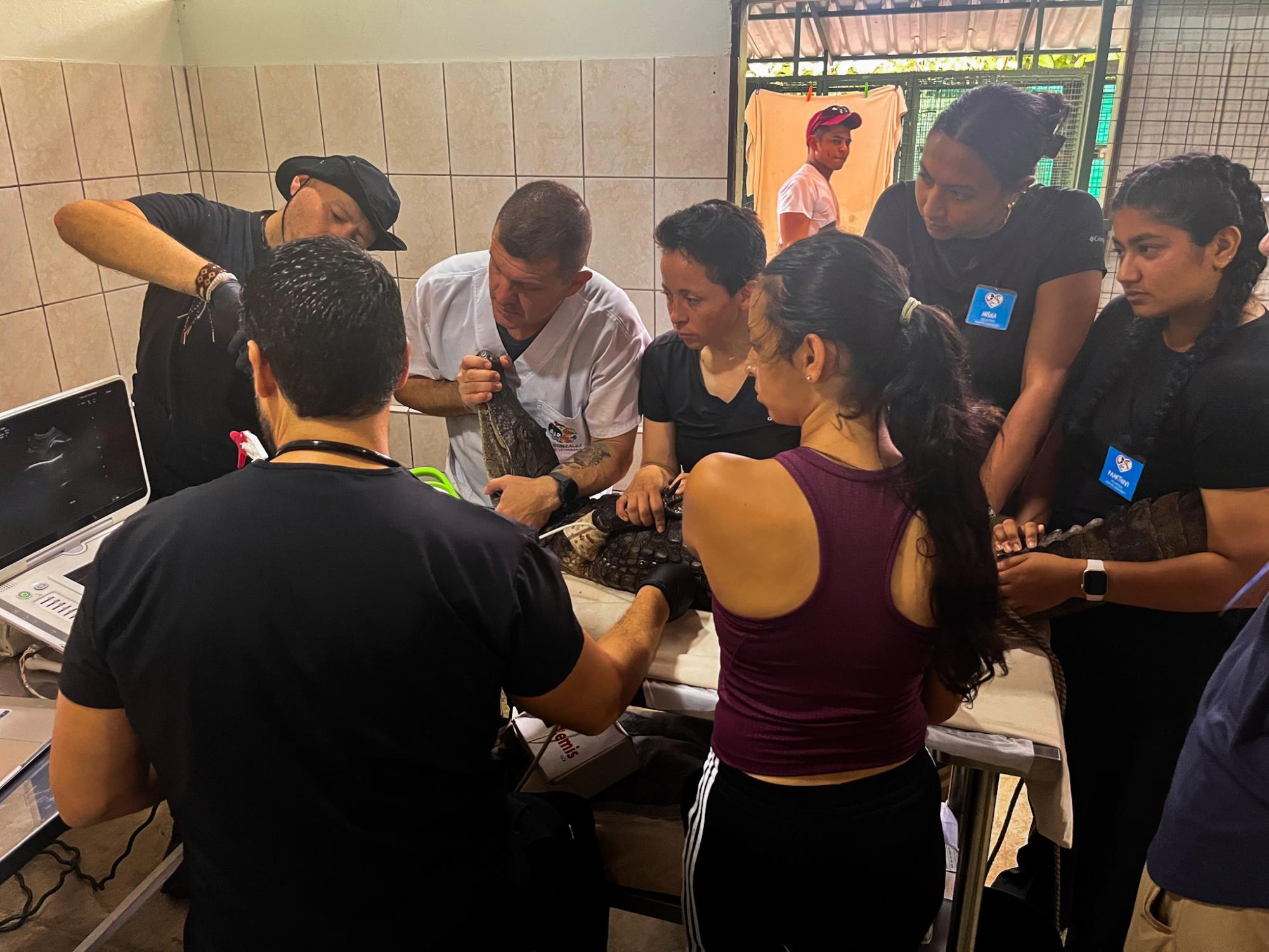
Students are also getting an opportunity to work with a veterinarian who visits the site each day to provide care for the animal residents and triage animals who are brought into the center.
“With the vet, we’re working on taking EKGs of the animals and ultrasounds of the animals to make sure they don’t have any tumors or any abnormal growths, and that their heart is beating well,” said Sukhad Pulla, a senior majoring in neuroscience. “And we’ve been doing necropsies on animals that have passed away.”
Pulla, who is planning to apply to medical school, said the clinical time with the vet has given him an opportunity to see capuchins, spider monkeys and sloths.
“So these mammals are very similar to the human body, and seeing how they can manipulate the mammals and test them — EKGs and ultrasounds — gives us a good idea of how it might look in humans,” he said. “Understanding how their bodies work and how their behavior is can help us relate that to humans.”
Many of the psychology students work with new toys for the animals to help with their day-to-day lives. All of the animals get daily food enrichment, which is a common practice in both the U.S. and Costa Rica.
The process of additional enrichment started with timed observations of the animals and birds to see how they behave during different points of the day.
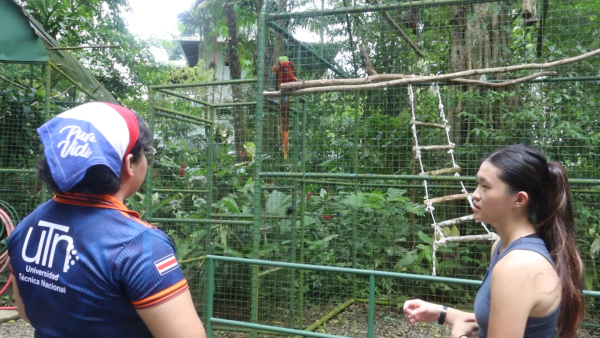
“Then they did research on their specific animal to see what types of enrichment would be most beneficial for their overall well-being,” said Dr. Amber Ingram, who has worked with students on their data collection and ethograms, or methods of cataloging behavior. “They’re now in the process of implementing that enrichment, and then we’ll collect post data to see how their behavior has changed with the introduction of that particular enrichment.”
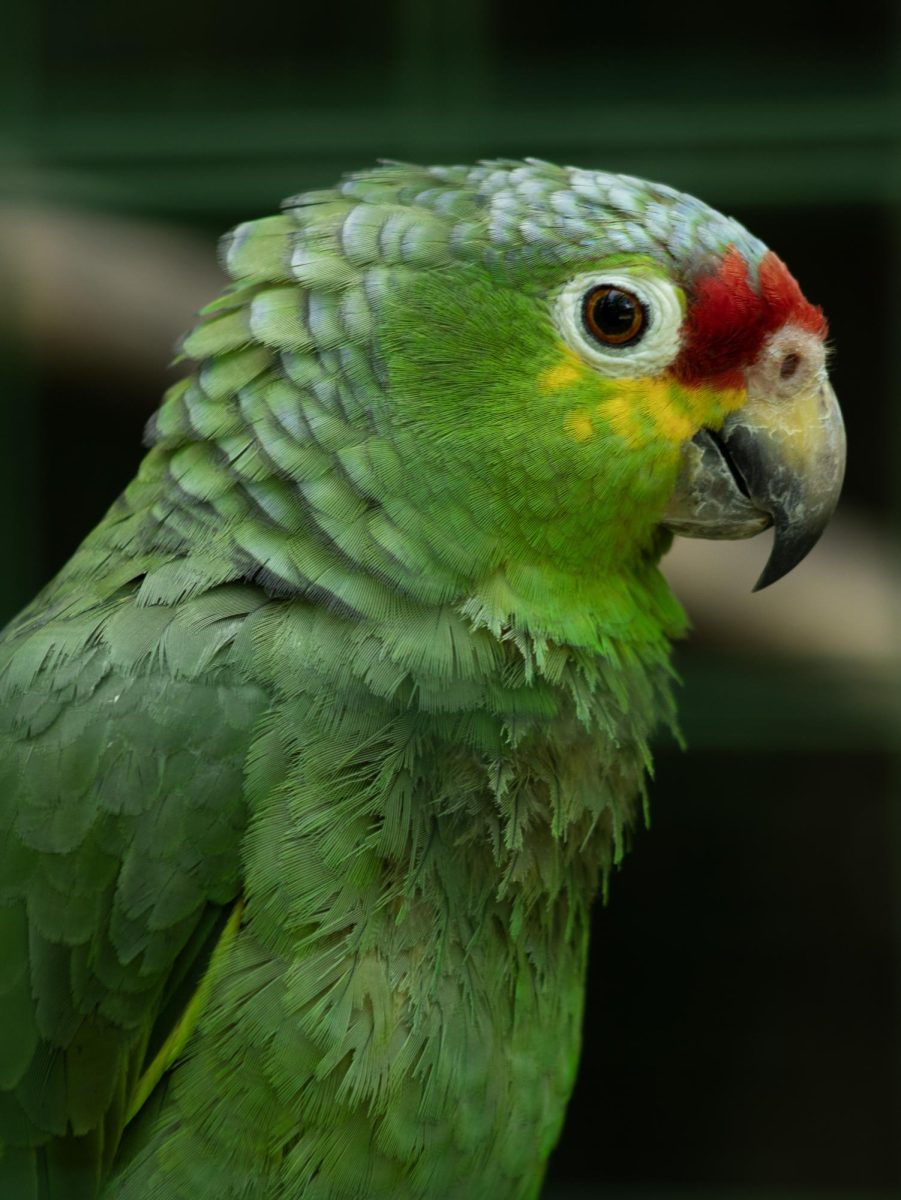
Mary Beaver is a sophomore majoring in psychology and spent most of her time focused on a macaw they call “El Diablo.” The macaw is an illegal crossbreed that creates a rainbow color. It leaves the birds unable to fly and ostracized from other macaws.
“He’s alone because he can’t be housed with other macaws because they don’t accept him and they will be aggressive toward each other, and he can’t be housed with other birds in general because he’s just aggressive,” Beaver said. “I think the reason why some of his behaviors are more negative towards people [are] because he’s bored. So that’s why I’m helping with the enrichment process, which is making him something new for his enclosure.”
She and her partner proposed a ladder of natural materials and it has been added to El Diablo’s enclosure along with some toys made of natural rope and cardboard that all of the birds will get.
“So, they are bringing sort of an extra element for these animals, many of which have had a really hard life, and so it’s sort of fun. We’re bringing fun to them,” Kerr-German said.
For Charlie the curassow, the students are also recommending some modifications to his enclosure.
“In other studies we have looked at, they have different foraging stuff, so instead of like gravel, like it is now, or like little pebbles, other enclosures have mulch so … they are able to forage through that instead,” Joshi said.
The ultimate goal for all of the Mercer On Mission work is to further Proyecto Asis’ mission around animal welfare.
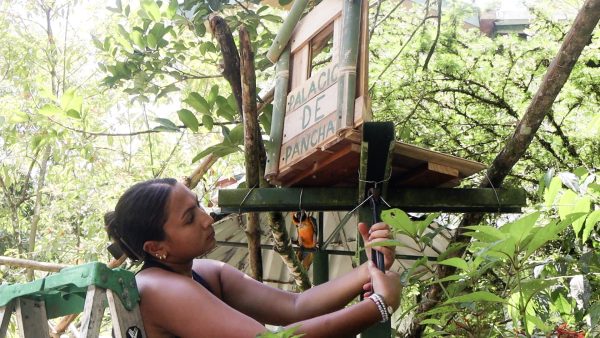
“The goal of us bringing things is to, like, lower the stress to the animals because the animals, while in captivity, they’re usually stressed out. It’s hard for them when people come around,” Kwazema said. “So we want to introduce enrichment ideas, so that the animals have a reduced amount of cortisol levels.”
Future Plans
The original trip was meant to include some interactions between the animals at Proyecto Asis and area children who may need support, but the plans shifted a bit to make this first year more about relationship building.
Ingram is a developmental psychologist who specializes in adolescent social relationships and hopes to build that interaction into any future Mercer On Mission trips to Costa Rica.
“We’ve been in contact with a local orphanage who was very receptive to us coming in to help,” she said. “One of the goals that I specifically have … is to pair orphan children with specific animals at Proyecto Asis, so that they can learn how to advocate for these animals, given that both populations have experienced general extreme trauma or disruption in their development.”
Ingram, who works with foster kids in the U.S., has also done work in college on the animal-human connection.
“I have a special place in my heart for helping populations, both human and animals, that have experienced trauma,” she said.